
Understanding M20 to M80: Which Concrete Grade Is Right for Your Project?
December 29, 2025
1. Introduction
Choosing the right concrete grade is one of the most important decisions in any construction project. Each grade—from M20 to M80—has a specific purpose, strength level, and application. Using a lower-grade concrete in a high-load structure can compromise safety, while using a higher grade unnecessarily can increase costs.
With rapid urban growth and complex structural designs, builders need accurate, reliable concrete that meets engineering requirements. This is where Aparna RMC plays a crucial role by providing a complete range of high-quality concrete grades backed by stringent testing, SCADA-controlled batching, and expert guidance.
In this blog, we break down what each grade means, where it should be used, and how Aparna RMC ensures the right concrete reaches your project every time.
2. What Does “M20, M30, M40…” Mean?
Concrete grades are denoted as MXX, where M stands for Mix and the number indicates the compressive strength in MPa (Mega Pascals) after 28 days of curing.
Example:
- M20 means the concrete can withstand 20 MPa of pressure
- M80 means the concrete can withstand 80 MPa
Higher grades = greater strength and durability.
3. Why Choosing the Correct Grade Matters
Using the correct grade ensures:
- Structural safety
- Load-bearing capacity
- Crack resistance
- Long-term durability
- Compliance with IS codes
Wrong grade selection may result in:
- Structural failure
- Increased repair cost
- Shortened lifespan of the building
4. Overview of Concrete Grades from M20 to M80
Below is a simplified breakdown of each grade, its strength, and best applications.
a. M20 – Ideal for Small to Medium Residential Work
Strength: 20 MPa
Applications:
- Residential slabs
- Footpaths
- Small foundations
- Non-load-bearing structures
Why choose M20:
Affordable, safe for small-scale construction, good workability.
b. M25 – Standard Grade for General Construction
Strength: 25 MPa
Applications:
- RCC columns
- Beams
- Residential floors
- Basements
- Light commercial buildings
Why choose M25:
Most commonly used grade for stable structures.
c. M30 – Medium-Strength Concrete for Higher Loads
Strength: 30 MPa
Applications:
- Multi-storey buildings
- Commercial floors
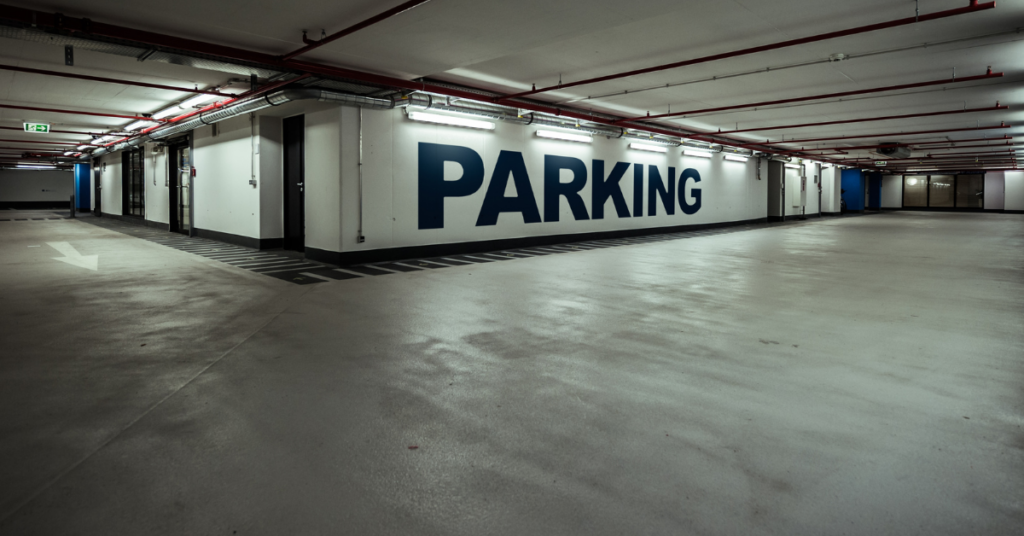
- Parking structures
- Water tanks
Why choose M30:
Better crack resistance and longevity compared to M20–M25.
d. M35 – For Heavy Residential & Commercial Structures
Strength: 35 MPa
Applications:
- Raft foundations
- High-rise slabs
- Industrial floors
- Precast elements
Why choose M35:
Higher durability with improved structural integrity.
e. M40 – For High-Rise and Infrastructure Projects
Strength: 40 MPa
Applications:
- Metro stations
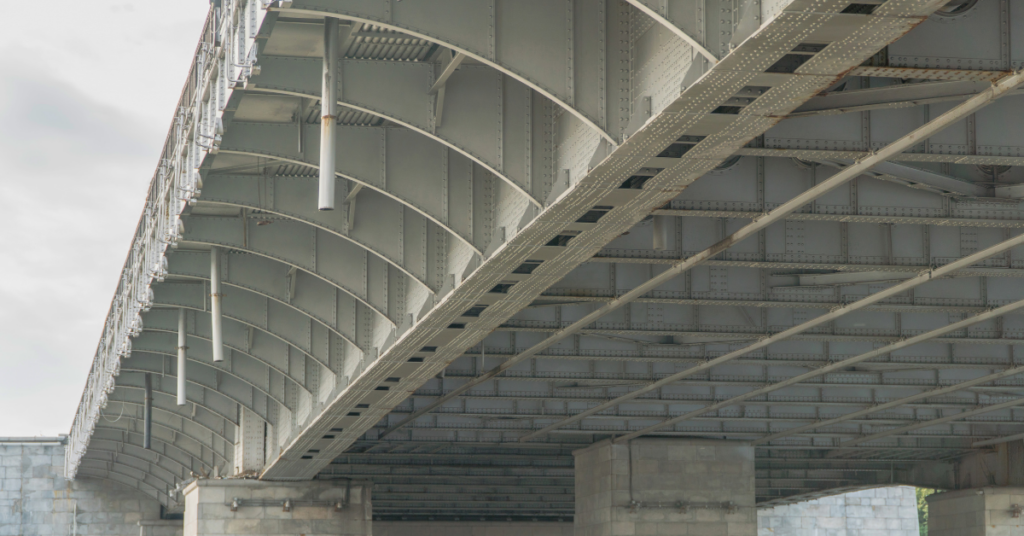
- Bridges
- Heavy-duty industrial buildings
- High-rise columns
Why choose M40:
High load-bearing capacity and reduced permeability.
f. M50 – High-Strength Concrete for Complex Engineering
Strength: 50 MPa
Applications:
- Long-span bridges
- High-rise towers
- Deep foundations
- Dams
- Airports
Why choose M50:
Withstands extreme loads and environmental stress.
g. M60 – High-Performance Concrete
Strength: 60 MPa
Applications:
- Skyscrapers
- Structural cores
- Prestressed concrete
- Heavy-load structures
Why choose M60:
Superior strength, durability, and crack resistance.
h. M70 – Ultra High Strength Concrete
Strength: 70 MPa
Applications:
- Specialized infrastructure
- Mega civil structures
- High-rise shear walls
- Special foundation requirements
Why choose M70:
Used for demanding engineering environments.
i. M80 – Ultra High-Performance Concrete
Strength: 80 MPa
Applications:
- Tallest high-rise towers
- Signature bridges
- Metro pillars and viaducts
- Projects requiring maximum strength
Why choose M80:
Best suited for projects that require exceptional load-bearing performance and minimal maintenance.
5. Factors to Consider When Selecting the Right Grade
Choosing the right concrete grade depends on several key factors:
✔ Structural load requirements
✔ Soil condition
✔ Type of building (residential, commercial, industrial)
✔ Height of the structure
✔ Environmental exposure
✔ Design specifications from structural engineers
Aparna RMC’s technical team helps builders choose the correct grade based on IS codes and project needs.
6. How Aparna RMC Ensures Grade Accuracy & Performance
Aparna RMC is known for delivering precise, high-quality concrete grades due to the following strengths:
a. SCADA-Controlled Batching for Precision
Automated batching ensures:
- Perfect water-cement ratio
- Accurate proportioning of aggregates
- Zero human error
This guarantees grade consistency from batch to batch.
b. Raw Material Testing
Every ingredient is tested for:
- Purity
- Strength
- Sizing
- Moisture content
Only certified materials enter the mix.
c. On-Site Technical Support
Aparna provides engineers to guide:
- Pouring techniques
- Workability adjustments
- Admixture recommendations
This ensures the grade performs exactly as expected.
d. Comprehensive Lab Testing
Concrete undergoes:
- Slump tests
- Cube tests
- Compression tests
This verifies that M20 is truly M20, M40 is truly M40, and so on.
e. Custom Mix Designs
Aparna offers tailored mixes based on:
- Weather
- Project type
- Pumping distance
- Setting time requirements
7. Checklist: Which Grade Should You Choose?
Use this quick guide:
✔ Residential homes: M20–M30
✔ Low-rise commercial: M25–M35
✔ High-rise buildings: M30–M50
✔ Bridges & metros: M40–M70
✔ Skyscrapers & mega projects: M60–M80
✔ Heavy load structures: M40+
For best results, always follow your structural engineer’s recommendations.
8. Conclusion
Concrete grade selection is a critical decision that directly impacts a structure’s strength, durability, and safety. Understanding the differences between grades M20 to M80 helps builders make informed choices based on design, load, and project requirements. With advanced SCADA-controlled batching, rigorous testing, and expert technical support, Aparna RMC consistently delivers concrete that meets precise strength standards and ensures long-term structural performance.
👉 Choose Aparna RMC for accurate, high-quality concrete grades engineered for every project need.
9. FAQs
Q1: What is the most commonly used concrete grade?
M25 and M30 are widely used for general RCC work.
Q2: Which grade is best for high-rise buildings?
M40 to M60 is usually recommended depending on design requirements.
Q3: Does Aparna RMC offer customized mix designs?
Yes. Aparna provides project-specific designs tailored to structural and environmental needs.