
How Quality Testing in Ready Mix Concrete Prevents Structural Failures
January 12, 2026
1. Introduction
Structural failures in buildings are rarely sudden accidents — they are often the result of compromised material quality, poor testing, or inconsistent concrete strength. In a country like India, where construction spans diverse climates, soil conditions, and structural demands, ensuring concrete quality is critical.
This is why quality testing in Ready Mix Concrete (RMC) plays such a vital role in modern construction. From verifying raw materials to checking strength after curing, testing ensures that concrete performs exactly as designed.
Aparna RMC follows a strict quality control and testing framework at every stage of production to eliminate risks, prevent failures, and deliver safe, durable structures. This blog explains how quality testing in RMC protects buildings from long-term structural issues and why it is non-negotiable in today’s construction industry.
2. What Is Structural Failure and Why Does It Occur?
Structural failure refers to the inability of a structure to safely carry loads over time. Common causes include:
- Use of poor-quality concrete
- Incorrect mix proportions
- Inconsistent strength across pours
- Lack of testing and certification
- Improper curing
- Environmental exposure (heat, moisture, chemicals)
Many of these issues can be prevented through systematic testing — which is where RMC quality control becomes essential.
3. Why Quality Testing Is Critical in Ready Mix Concrete
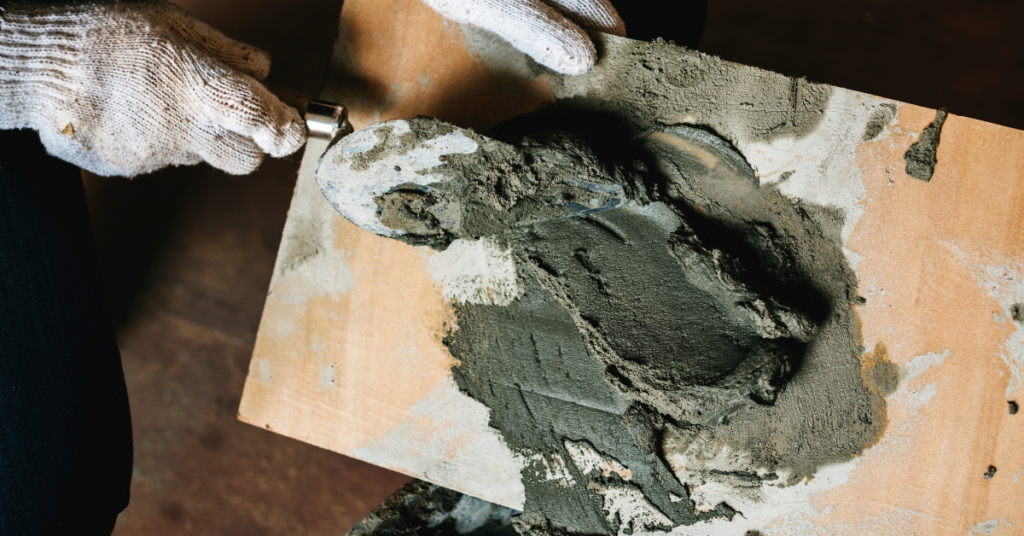
Unlike site-mixed concrete, RMC is produced in controlled environments where testing is an integral part of the process.
Key objectives of concrete testing:
- Confirm strength and durability
- Ensure mix consistency
- Detect defects early
- Comply with IS and BIS standards
- Reduce long-term maintenance and repair costs
Quality testing ensures that concrete used today remains strong and reliable decades later.
4. Types of Quality Tests Performed in Ready Mix Concrete
Aparna RMC follows multiple testing stages to ensure concrete reliability.
a. Raw Material Testing
Before production begins, all incoming materials are tested.
Materials tested include:
- Cement (fineness, setting time, strength)
- Aggregates (grading, shape, moisture content)
- M-sand (particle size, cleanliness)
- Water (chemical purity)
Why it matters:
Defective raw materials weaken bonding and reduce final strength.
b. Slump Test (Workability Test)
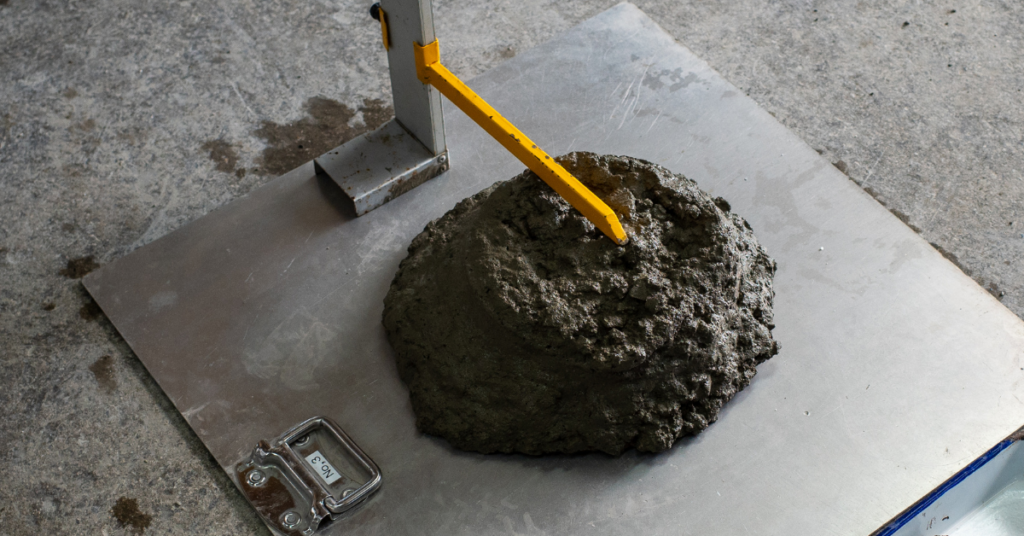
The slump test checks the workability and consistency of fresh concrete.
Benefits:
- Ensures easy placement and compaction
- Prevents honeycombing
- Maintains uniformity across batches
Aparna RMC conducts slump tests for every batch before dispatch.
c. Cube Compressive Strength Test
Concrete cubes are cast and tested at:
- 7 days
- 14 days
- 28 days
This confirms whether the concrete achieves its target grade strength (M20–M80).
Why this is critical:
Compressive strength is the primary indicator of structural safety.
d. Moisture and Temperature Monitoring
Concrete properties change with temperature and moisture.
Aparna RMC continuously monitors:
- Aggregate moisture
- Ambient temperature
- Concrete temperature during dispatch
This ensures mix adjustments are made to maintain performance in all weather conditions.
e. Durability & Performance Testing (Where Required)
For infrastructure and high-performance projects, Aparna conducts additional tests such as:
- Water permeability tests
- Chloride penetration tests
- Sulphate resistance checks
These tests ensure long-term durability in aggressive environments.
5. How Quality Testing Prevents Structural Failures
Quality testing directly protects structures in multiple ways:
✔ Prevents under-strength concrete
✔ Ensures uniform load distribution
✔ Avoids cracks and seepage
✔ Improves bond with reinforcement
✔ Enhances durability against corrosion
✔ Reduces risk of premature deterioration
Each test acts as a checkpoint that prevents defects from entering the structure.
6. Aparna RMC’s Quality Assurance Framework
Aparna RMC follows a multi-layered quality control system designed to eliminate risk at every stage.
a. SCADA-Controlled Batching
Automation ensures:
- Accurate mix proportions
- Consistent water-cement ratio
- Zero human error
This forms the foundation of quality consistency.
b. In-House Laboratories
Aparna operates in-house testing labs to:
- Conduct real-time testing
- Track strength development
- Maintain detailed quality records
c. Experienced Quality Engineers
Trained professionals monitor:
- Raw material compliance
- Batch quality
- On-site performance
They also guide customers on proper handling and curing.
d. Compliance with IS & BIS Standards
All testing procedures align with:
- IS 456
- IS 10262
- BIS specifications
This ensures national code compliance for every project.
7. Impact of Poor Testing: What Happens When Quality Is Ignored
When quality testing is skipped or poorly executed, projects face:
- Structural cracks
- Reduced load-bearing capacity
- Water leakage
- Corrosion of steel reinforcement
- Increased maintenance costs
- Reduced building lifespan
- Safety risks to occupants
Testing is not an added cost — it is risk prevention.
8. Checklist: How to Identify a Quality-Focused RMC Supplier
Before selecting an RMC supplier, ask:
🔲 Do they test raw materials regularly?
🔲 Do they conduct slump and cube tests for every batch?
🔲 Are batching systems automated?
🔲 Do they have in-house laboratories?
🔲 Do they comply with IS/BIS standards?
🔲 Do they provide technical support at the site?
Aparna RMC meets all these quality benchmarks.
9. Conclusion
Quality testing is the backbone of safe and durable construction. It ensures that Ready Mix Concrete performs as designed, prevents hidden defects, and protects structures from long-term failure. By implementing rigorous testing protocols, automated batching, and continuous monitoring, Aparna RMC delivers concrete that builders and engineers can trust.
From residential buildings to large infrastructure projects, Aparna’s commitment to quality testing ensures stronger structures, lower maintenance costs, and enhanced safety for generations.
Choose Aparna RMC — where quality is tested, verified, and guaranteed.
10. FAQs
Q1: How often is concrete tested in RMC plants?
Concrete is tested for every batch through slump tests and strength tests at set intervals.
Q2: Does quality testing increase project cost?
No. It reduces long-term repair and maintenance costs significantly.
Q3: Can quality-tested RMC be used for small projects?
Yes. Aparna RMC provides the same quality standards for projects of all sizes.