
Why Timing Matters in Concrete: The Science Behind Perfect Concrete Delivery

April 6, 2026
1. Introduction
In construction, timing is everything. From scheduling labour to coordinating materials, every step must align to keep projects running smoothly. One of the most critical yet often underestimated factors is the timing of concrete delivery. Unlike many other construction materials, concrete begins reacting chemically the moment water is added to cement. This process, known as hydration, starts immediately and affects the material’s workability and strength development.
Because of this, delays in transportation or poor planning can significantly impact the quality of concrete used on site. Ensuring a fresh concrete supply at the right moment is essential for achieving proper placement, compaction, and finishing.
In this blog, we explore the science behind Ready Mix Concrete delivery and how Aparna RMC ensures precise RMC logistics efficiency to deliver concrete exactly when projects need it.
2. Why Concrete Delivery Timing Is Critical
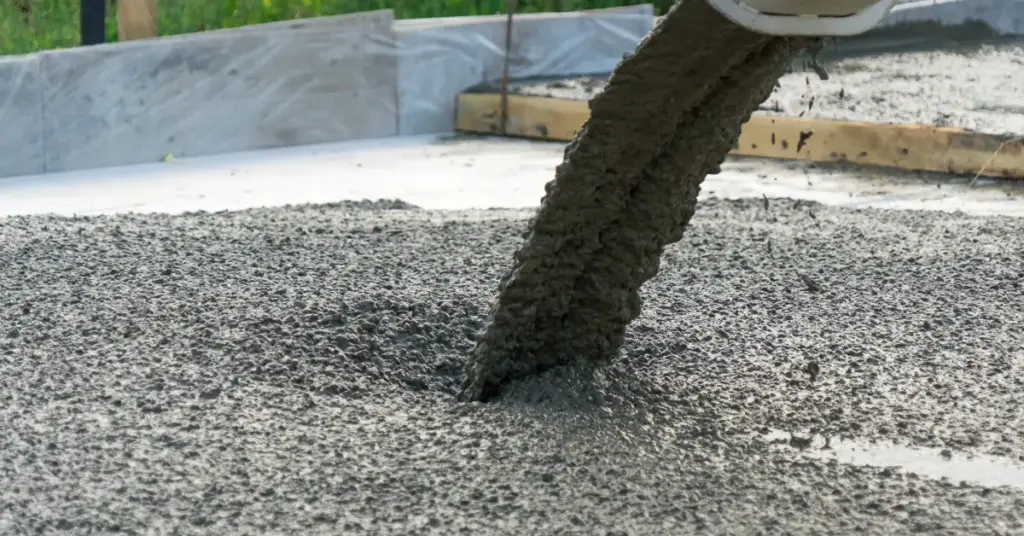
Concrete is a time-sensitive material. Once mixed, it begins to set and gradually loses workability. This means that concrete delivery timing directly influences how easily concrete can be placed and finished.
Proper timing ensures:
- Smooth placement and compaction
- Strong bonding with reinforcement
- Uniform structural performance
- Reduced risk of defects
If concrete arrives too late or too early, it can disrupt the entire construction process.
3. What Happens When Concrete Delivery Is Delayed
Delays in Ready Mix Concrete delivery can create several problems on site.
a. Loss of Workability
As time passes, concrete begins to stiffen. This makes it difficult to pour and compact properly.
b. Increased Risk of Cold Joints
If a fresh batch arrives late while the previous pour has already begun setting, cold joints may form. These weak points reduce structural integrity.
c. Poor Surface Finish
Late deliveries can cause inconsistent finishing and visible defects on slabs and surfaces.
d. Reduced Structural Strength
Extended delays may alter the water–cement balance, affecting overall strength and durability.
e. Impact on Project Efficiency & Cost
Delays can slow down construction schedules, increase labor idle time, and may even require rework or additional material usage. This ultimately leads to higher project costs and reduced overall efficiency.
4. The Science Behind Fresh Concrete Supply
Concrete undergoes chemical reactions immediately after mixing. During this period, maintaining a fresh concrete supply is essential.
Key factors influencing freshness include:
- Time between batching and placement
- Temperature during transport
- Continuous mixing inside transit mixers
- Controlled water–cement ratio
Efficient delivery planning ensures that concrete reaches the site within its optimal working window.
5. Role of Logistics in Ready Mix Concrete Delivery
Efficient RMC logistics ensures that concrete arrives at the right place and time. Since concrete has a limited working time—typically within 90 minutes from when water is added to the mix—timely delivery becomes critical to maintain its quality and performance.
A well-managed logistics system includes:
- Accurate dispatch scheduling
- Coordinated fleet movement
- Real-time tracking of vehicles
- Backup planning for high-demand projects
These elements allow projects to maintain uninterrupted concrete pouring.
6. How Aparna RMC Ensures Precise Concrete Delivery Timing
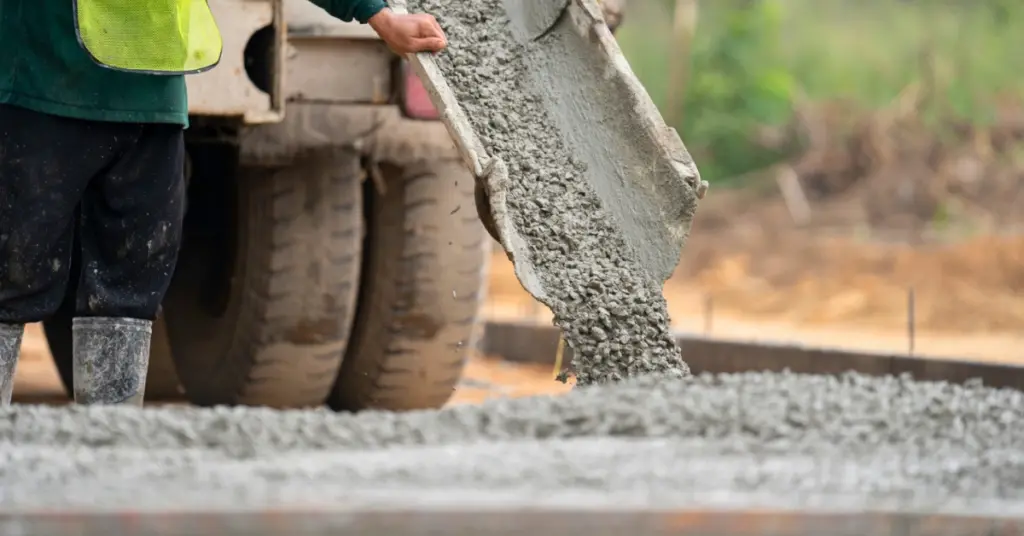
a. Advanced Dispatch Planning
Aparna RMC coordinates production and transportation schedules to maintain precise concrete delivery timing for each project.
b. Strategically Located Batching Plants
Multiple plant locations reduce travel distance, helping maintain a fresh concrete supply for nearby projects.
c. GPS-Enabled Fleet Monitoring
Aparna uses real-time tracking to monitor transit mixers and optimise delivery routes.
d. Continuous Drum Rotation During Transport
Transit mixers keep the concrete moving, preserving workability and ensuring consistent quality upon arrival.
7. Benefits of Efficient Ready Mix Concrete Delivery
Properly managed Ready Mix Concrete delivery offers several advantages:
- Improved construction efficiency
- Reduced risk of cold joints
- Better concrete compaction
- Consistent structural performance
- Faster construction timelines
These benefits help projects stay on schedule while maintaining quality standards.
8. Why Fresh Concrete Supply Matters for Large Projects
Large construction projects often require continuous pouring for slabs, foundations, and structural elements.
Without a fresh concrete supply, these pours may be interrupted, causing:
- Structural inconsistencies
- Weak bonding between layers
- Delays in construction schedules
Reliable delivery ensures uninterrupted construction operations.
9. Checklist: Ensuring Reliable Concrete Delivery
Before selecting an RMC supplier, ensure:
🔲 Strong fleet and logistics network
🔲 Reliable Ready Mix Concrete delivery systems
🔲 Efficient dispatch coordination
🔲 Real-time vehicle monitoring
🔲 Experience handling large pours
🔲 Commitment to timely concrete delivery
Aparna RMC meets all these requirements.
10. Conclusion
Concrete is one of the few construction materials where timing directly influences performance. Proper concrete delivery timing ensures that concrete reaches the site with the right workability, allowing engineers and contractors to achieve optimal structural results. Through advanced dispatch systems, coordinated fleet management, and efficient Ready Mix Concrete delivery, Aparna RMC ensures reliable fresh concrete supply for projects of every scale.
By maintaining high RMC logistics efficiency, Aparna supports faster construction and better structural quality.
Choose Aparna RMC for timely concrete delivery that keeps your projects moving forward.
11. FAQs
Q1: Why is concrete delivery timing important?
Because concrete begins setting immediately after mixing, timely delivery ensures proper placement and compaction. The timing of delivery directly impacts the material’s workability, structural strength, and the overall efficiency of the construction site.
Q2: How does Ready Mix Concrete delivery maintain freshness?
Transit mixers continuously rotate the drum to keep concrete workable during transportation.
In addition to this:
Time Control & Logistics
Efficient scheduling and delivery planning ensure that concrete reaches the site within the required time frame, maintaining its workability.
Chemical Additives (Admixtures)
Special admixtures are added to control setting time, improve workability, and retain the concrete’s quality during transportation.
Together, these measures ensure that the concrete arrives fresh, workable, and ready for proper placement.
Q3: How does Aparna RMC ensure fresh concrete supply?
Through strategic plant locations, efficient logistics planning, and GPS-enabled fleet management.
In addition to this:
Automated & Computerized Batching Plants
Using advanced Schwing-Stetter technology, batching is precise, consistent, and minimizes human error.
Rigorous Quality Control Checks
Regular tests such as slump tests are conducted to ensure the right workability and consistency of concrete before dispatch.
These practices ensure that the concrete delivered is fresh, uniform, and meets the highest quality standards at every stage.