
How Concrete Quality Impacts Construction Speed and Project Timelines
April 21, 2026
1. Introduction
Construction projects operate under strict deadlines, where delays can lead to increased costs, scheduling conflicts, and operational challenges. While project management and labour coordination play important roles, one often overlooked factor influencing project timelines is concrete quality in construction projects. Poor-quality concrete can cause placement difficulties, structural defects, and rework, all of which slow down progress.
Modern projects rely on Ready Mix Concrete efficiency to maintain consistent quality and predictable performance. With engineered mixes and controlled production processes, high-quality concrete helps construction teams work faster without compromising structural reliability.
In this blog, we explore how concrete quality influences construction speed and how Aparna RMC supports faster construction concrete solutions through reliable RMC supply and advanced production systems.
2. Why Concrete Quality Affects Construction Timelines
Concrete is used at multiple stages of construction, including foundations, columns, beams, slabs, and structural cores. If the concrete quality is inconsistent or unreliable, these stages may experience delays.
High concrete quality in construction projects ensures:
- Smooth placement and finishing
- Faster structural progress
- Reduced need for repairs or rework
- Faster Curing Time
- Reduced Voids
- Consistency
When quality is compromised, construction teams may need additional time to correct issues.
3. Problems Caused by Poor Concrete Quality
a. Rework, Repairs & Structural Quality Concerns
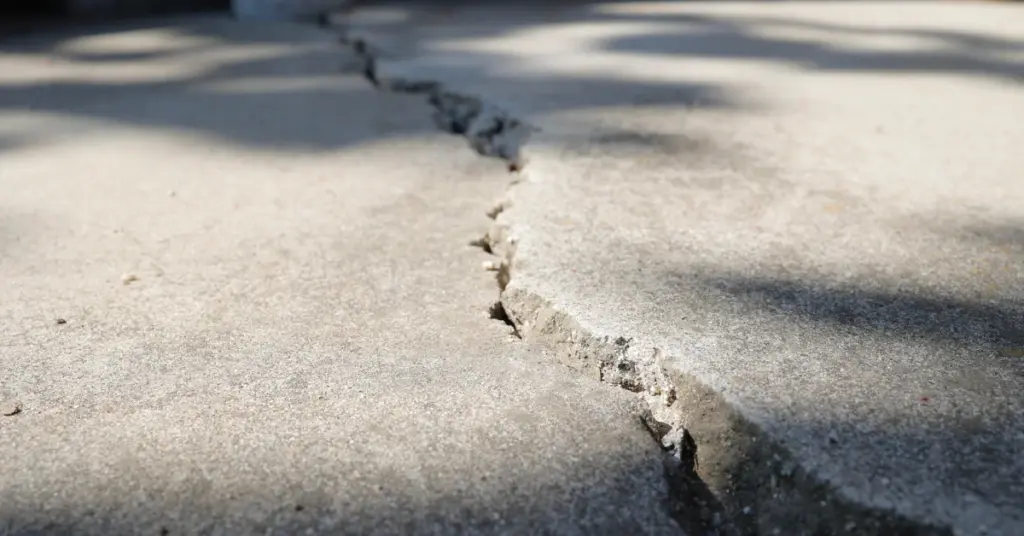
Low-quality concrete can lead to issues like cracks, honeycombing, cold joints, poor bonding with reinforcement, rebar corrosion, and reduced compressive strength. These defects affect structural safety and durability, often requiring rework, repairs, or additional testing—ultimately delaying project timelines.
b. Delayed Setting or Improper Workability
Concrete with inconsistent workability may take longer to place and finish, reducing site productivity.
c. Surface and Durability Issues
Scaling and Spalling – Surface peeling or flaking due to poor quality or environmental exposure
Cracking – Surface and internal cracks caused by shrinkage, stress, or inconsistent mix
Dusting/Chalking – Formation of a powdery surface layer due to weak or improperly finished concrete
All these factors reduce Ready Mix Concrete efficiency and impact project progress.
4. How High-Quality Concrete Supports Faster Construction
When concrete quality is reliable, construction teams can work more efficiently.
Benefits include:
- Faster placement and compaction
- Reduced waiting time between pours
- Improved finishing quality
- Fewer construction defects
- Reduced rework Increased structural efficiency
Using faster construction concrete allows projects to maintain steady momentum.
5. Role of Reliable RMC Supply in Construction Efficiency
A dependable, reliable RMC supply ensures that concrete arrives at the site exactly when needed.
Efficient supply helps:
- Maintain continuous construction cycles
- Avoid labour downtime
- Prevent cold joints between pours
- Enhanced Site Management
- Cost Savings and Reduced Wastage
- Consistent Quality and Durability
- Logistical Reliability
- Accelerated Timelines
Consistent supply is essential for maintaining project schedules.
6. How Aparna RMC Supports Faster Construction
a. Engineered Mix Designs for Efficiency
Aparna RMC develops mixes that optimise workability and strength, helping achieve Ready Mix Concrete efficiency during placement.
b. Automated Batching Systems
Automation ensures precise mix proportions, improving consistency and reducing the chances of defects that could slow construction.
c. Strong Logistics and Fleet Network
Through efficient logistics planning, Aparna ensures reliable RMC supply for projects, helping maintain continuous construction operations.
d. Quality Monitoring and Testing
Regular testing ensures that each batch meets structural requirements, reducing the risk of rework or delays.
7. Impact on Developers and Contractors
Using high-quality concrete improves project outcomes by:
- Reducing construction delays
- Improving labour productivity
- Lowering the risk of defects
- Enhancing project planning accuracy
These benefits help developers meet deadlines and manage costs effectively.
8. Importance of Ready Mix Concrete Efficiency in Modern Projects
Modern construction relies on efficient workflows and tight schedules. Ready Mix Concrete efficiency ensures that material supply aligns with project demands, enabling faster execution without compromising structural safety.
9. Checklist: Choosing Concrete That Supports Faster Construction
Before selecting a supplier, ensure:
🔲 High concrete quality in construction projects
🔲 Proven Ready Mix Concrete efficiency
🔲 Reliable RMC supply network
🔲 Automated batching and quality control
🔲 Experience supporting large construction projects
Aparna RMC meets all these requirements.
10. Conclusion
Construction speed depends on more than just manpower and planning — it also relies on the quality and reliability of building materials. High concrete quality in construction projects enables smoother placement, reduces defects, and helps teams maintain steady progress. Through engineered mixes, efficient production systems, and reliable RMC supply, Aparna RMC supports faster construction concrete solutions that keep projects on schedule.
By improving Ready Mix Concrete efficiency, Aparna helps developers and contractors achieve faster project completion without compromising structural performance.
Choose Aparna RMC to keep your construction projects moving forward with confidence.
11. FAQs
Q1: How does concrete quality affect construction speed?
High-quality concrete reduces defects and rework, allowing projects to progress faster. It also ensures optimal curing times and reduces on-site labor requirements, improving overall construction efficiency.
Q2: What is Ready Mix Concrete efficiency?
It refers to the ability to produce and deliver consistent, factory-batched concrete that supports smooth construction operations. Efficiency includes increased speed, consistent quality, less labor, and lower material waste, all achieved by using factory-batched concrete.
Q3: How does Aparna RMC ensure reliable supply?
Through automated production, strong logistics planning, and continuous quality monitoring.