
The Science of Concrete Bonding: Why Adhesion Matters for Structural Strength
April 17, 2026
1. Introduction
Concrete is often seen as a material that simply bears loads, but its true strength lies in how well it bonds internally and with other structural elements. One of the most critical yet overlooked factors in construction is concrete bonding strength — the ability of concrete to adhere to itself and to reinforcement materials like steel.
Without proper bonding, even high-strength concrete can fail to perform as expected. Cracks, slippage, and reduced load transfer are common issues when adhesion is weak. This is why modern construction relies on engineered Ready Mix Concrete that ensures strong internal cohesion and effective bonding with reinforcement.
In this blog, we explore the science behind concrete adhesion, its role in structural performance, and how Aparna RMC ensures a reliable bond between concrete and steel for long-lasting structures.
2. What Is Concrete Bonding Strength?
Concrete bonding strength refers to the ability of concrete to:
- Adhere to reinforcement steel
- Bond with previously placed concrete layers
- Maintain internal cohesion within the mix
This bonding is essential for transferring loads efficiently across structural elements and ensuring overall stability.
3. Why Bonding Is Critical for Structural Performance
Concrete alone is strong in compression, while steel reinforcement handles tensile forces. The bond between concrete and steel ensures these two materials work together as a single unit.
Strong bonding helps achieve:
- Effective load transfer
- Structural stability
- Resistance to cracking
- Improved durability
Without proper concrete adhesion, the structure may develop weak zones that compromise safety.
4. Factors That Influence Concrete Bonding Strength
a. Surface Condition of Reinforcement
Clean, roughened steel surfaces improve the bond between concrete and steel, allowing better grip and load transfer.
b. Water–Cement Ratio
An incorrect ratio can reduce concrete bonding strength by affecting the density and cohesion of the mix.
c. Compaction and Placement
Proper compaction removes air voids and ensures strong concrete adhesion throughout the structure.
d. Workability of Concrete
A well-designed mix improves flow and ensures concrete fully surrounds reinforcement, strengthening the bond.
5. Bonding Between Layers of Concrete
Bonding is not only important between concrete and steel but also between different layers of concrete.
Poor bonding between layers can lead to:
- Cold joints
- Weak structural connections
- Reduced load transfer
Maintaining concrete bonding strength ensures seamless integration between pours.
6. Common Problems Caused by Weak Concrete Bonding
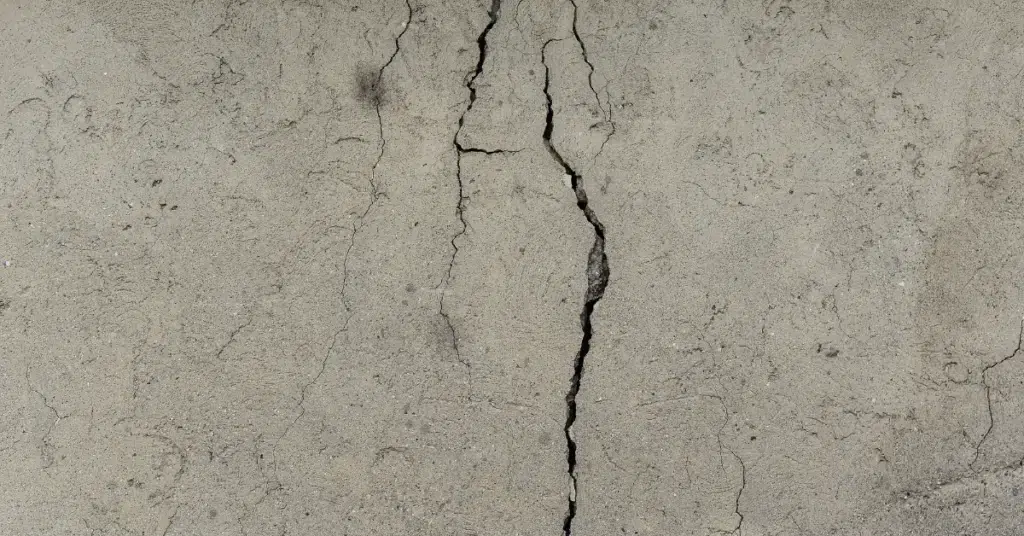
When bonding is compromised, structures may face:
- Cracks along reinforcement lines
- Separation between concrete layers
- Reduced structural strength
- Increased water penetration
- Premature deterioration
These issues directly affect structural concrete performance.
7. How Ready Mix Concrete Improves Bonding Strength
Using engineered Ready Mix Concrete improves concrete adhesion through:
- Controlled mix proportions
- Uniform material distribution
- Consistent workability
- Better compaction properties
These factors ensure strong bonding within the concrete matrix and with reinforcement.
8. How Aparna RMC Ensures Strong Concrete Bonding
a. Optimised Mix Design
Aparna RMC develops mixes that enhance concrete bonding strength by maintaining the right balance of materials.
b. Precise Batching and Consistency
Automated systems ensure uniform mix quality, supporting consistent concrete adhesion across batches.
c. Workability Control
Aparna ensures proper workability so that concrete flows around reinforcement and creates a strong bond between concrete and steel.
d. Continuous Quality Monitoring
Regular testing ensures that concrete meets performance standards, supporting long-term structural concrete performance.
9. Benefits of Strong Concrete Bonding
Maintaining high concrete bonding strength provides:
- Improved structural integrity
- Better load distribution
- Reduced cracking
- Enhanced durability
- Longer service life
These benefits are essential for safe and reliable construction.
10. Checklist: Ensuring Proper Concrete Bonding
Before selecting an RMC supplier, ensure:
🔲 Optimised mix design for bonding strength
🔲 Consistent workability and compaction
🔲 Proper quality control processes
🔲 Reliable Ready Mix Concrete supply
🔲 Technical support for site execution
Aparna RMC meets all these requirements.
11. Conclusion
Concrete bonding is a fundamental aspect of structural performance that is often overlooked. Strong concrete bonding strength ensures effective load transfer, reduces cracking, and enhances durability. By delivering engineered mixes with controlled workability and consistent quality, Aparna RMC ensures reliable concrete adhesion and a strong bond between concrete and steel in every project.
For builders and engineers aiming to achieve high structural concrete performance, focusing on bonding is just as important as strength.
Choose Aparna RMC for concrete solutions that hold your structure together with strength and precision.
12. FAQs
Q1: What is concrete bonding strength?
It refers to the ability of concrete to firmly adhere to reinforcement (steel) and maintain strong internal cohesion. Good bonding ensures that the concrete and steel act together as a single, stable unit.
Q2: Why is the bond between concrete and steel important?
A strong bond allows effective load transfer between concrete and reinforcement, ensuring structural stability. It also helps prevent slippage, cracks, and long-term structural failure.
Q3: How does Aparna RMC improve concrete adhesion?
Aparna RMC enhances adhesion through optimised mix designs, precise batching, and controlled workability. This ensures better bonding with reinforcement, improved strength, and long-term durability.