
Monsoon Concreting Mistakes That Can Ruin Structural Strength
June 12, 2026
The monsoon season brings much-needed relief from the scorching Indian summer but for anyone involved in construction, it also brings a unique set of challenges that can quietly compromise the integrity of an entire building. Whether you’re pouring a foundation slab, a column, or a roof, working with concrete during rains is a task that demands precision, awareness, and the right materials.
Many contractors and site engineers continue construction during the monsoon to meet deadlines. That’s perfectly fine, as long as you know what not to do. Unfortunately, several common practices during the rainy season end up doing far more damage than the rains themselves.
In this blog, we break down the most damaging monsoon concreting mistakes and explain how they affect structural strength, so you can avoid them before they cost you dearly.
Why Monsoon Concreting Demands Extra Attention
Concrete is not just a mix of cement, sand, and aggregate. It’s a carefully engineered material that needs the right water-to-cement ratio, curing conditions, and temperature to gain its intended strength. The rainy season disrupts nearly every one of these variables.
When rainwater mixes into freshly poured concrete, it changes the water-cement ratio uncontrollably. When humidity is high, the evaporation rate drops, affecting the curing process. When the ground is waterlogged, it creates unstable formwork conditions. Each of these factors, taken alone, is manageable. But during the monsoon, they pile up, and that’s when structural problems begin.
This is exactly why ready mix concrete (RMC) has become the preferred choice for monsoon-season construction. Factory-batched and delivered under controlled conditions, ready mix concrete from reliable suppliers like Aparna RMC ensures that the concrete mix design is accurate before it ever reaches your site. But even the best RMC cannot save a pour if the site practices are careless.
Mistake 1: Pouring Concrete Directly on Waterlogged Soil or Wet Formwork
One of the most widespread and most damaging mistakes during the monsoon is allowing concrete to be poured over waterlogged ground or wet formwork without any corrective measure.
When the base is excessively wet, water seeps upward into the concrete from below. This disrupts the water-cement ratio at the bottom layers, weakening the foundation before it even sets. In column footings and slabs, this can create voids, honeycombing, and uneven strength distribution that only become visible months or even years later.
- What to do instead: Always inspect formwork and the pour area before any concrete is placed. Pump out standing water, allow the surface to drain adequately, and use polythene sheets as moisture barriers where needed. If you’re using RMC concrete from a batching plant, the concrete mix design is already calibrated; don’t let poor site prep undo that precision.
Mistake 2: Ignoring the Water-Cement Ratio Due to Rain
This is perhaps the most technically damaging mistake of all. Rainwater falling directly onto freshly placed or still-workable concrete adds uncontrolled water into the mix. Even an addition of just 5–10 litres of rainwater per cubic metre can significantly reduce the final compressive strength of the concrete.
The concrete mix ratio, whether it’s for M20 grade concrete, M25, or M30 ready mix concrete, is designed with a specific water-cement (w/c) ratio to achieve a defined strength. When rainwater dilutes the mix on-site, that ratio goes out the window. The result is a concrete that looks fine on the surface but is internally weak, porous, and vulnerable to long-term deterioration.
- What to do instead: Cover fresh concrete immediately after pouring using waterproof tarpaulins or plastic sheets held above the surface to allow ventilation. Never allow rain to fall directly on concrete that is still in a plastic or semi-plastic state. If rain is heavy and unavoidable, suspend the pour.
Mistake 3: Skipping Proper Curing or Rushing It
In summer, curing is done aggressively because the heat causes moisture to evaporate fast. Contractors often assume that during the monsoon, the ambient moisture is enough to cure concrete naturally. This is a dangerous misconception.
Curing is not just about keeping concrete wet, it’s about maintaining the right moisture level and temperature for a sustained period so that the cement hydration process completes fully. Monsoon conditions, with intermittent rain and fluctuating temperatures, do not guarantee consistent curing.
Inadequate curing leads to surface cracking, reduced tensile strength, and poor durability ,all of which affect the long-term structural performance of the building.
- What to do instead: Follow a disciplined curing schedule for a minimum of 7 days for ordinary Portland cement and 14 days for blended cements. Use wet hessian cloth or curing compounds as needed. Don’t rely on rainwater as a substitute for structured curing.
Mistake 4: Using Poorly Stored Cement and Aggregates
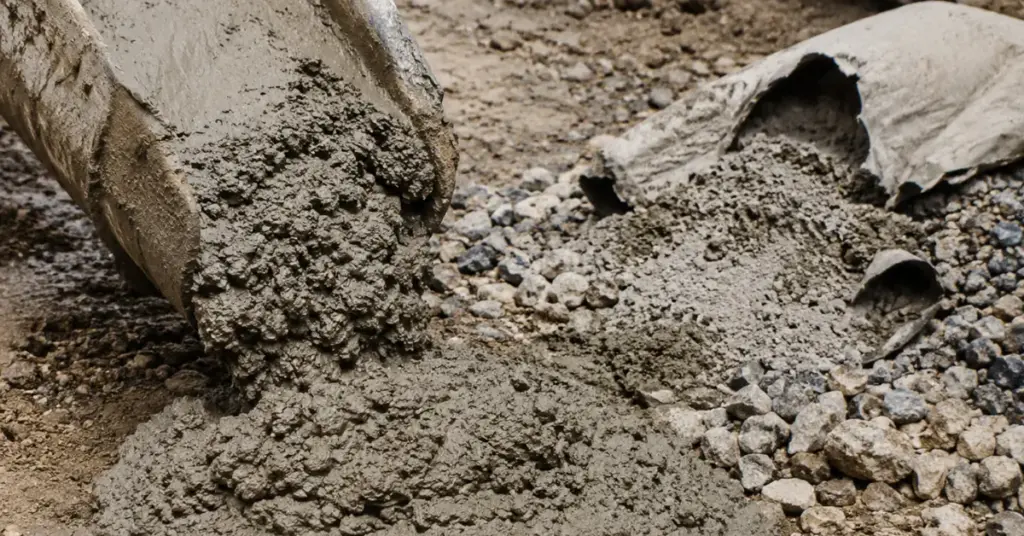
Monsoon moisture doesn’t just affect concrete at the pour stage ,it begins much earlier, at the material storage level. Cement bags that have been exposed to moisture partially hydrate even before use, reducing their binding capacity. Aggregates like sand and coarse aggregate that are excessively wet will alter the effective water content in the mix without the site team realising it.
This is one area where opting for ready mix concrete from a reliable RMC plant gives you a real advantage. At an Aparna RMC batching plant, materials are stored under controlled, covered environments, and aggregate moisture content is measured and adjusted in the concrete mix design before each batch is produced. This eliminates one of the biggest sources of monsoon-related inconsistency.
- What to do instead: Store cement bags on raised platforms covered with waterproof sheets. Test sand and aggregate for moisture content before mixing. Adjust the water quantity in your mix proportion of concrete accordingly.
Mistake 5: Continuing to Pour Without Temperature and Workability Checks
During the monsoon, temperatures drop and humidity spikes, both of which affect concrete workability and setting time. Concrete that takes longer to set in cool, humid conditions is more vulnerable to damage from rain, foot traffic, or vibration during the extended open time.
Many sites continue pouring based on schedules rather than checking concrete conditions. This leads to situations where concrete is placed in inappropriate weather windows, resulting in poor compaction, segregation, or compromised bonding between successive pours.
Temperature control in concrete is a concept often reserved for summer concreting, but it’s equally relevant during heavy monsoon conditions where cool temperatures slow strength development, especially for higher-grade mixes.
What to do instead: Monitor ambient temperature and concrete temperature at delivery. For critical structural elements, consider concrete with adjusted admixtures to manage setting time under monsoon conditions. Aparna RMC offers customised mixes that account for these variables, making it one of the most dependable choices among ready mix concrete suppliers in Hyderabad and beyond.
Mistake 6: Neglecting Joint Treatment and Waterproofing in Slabs
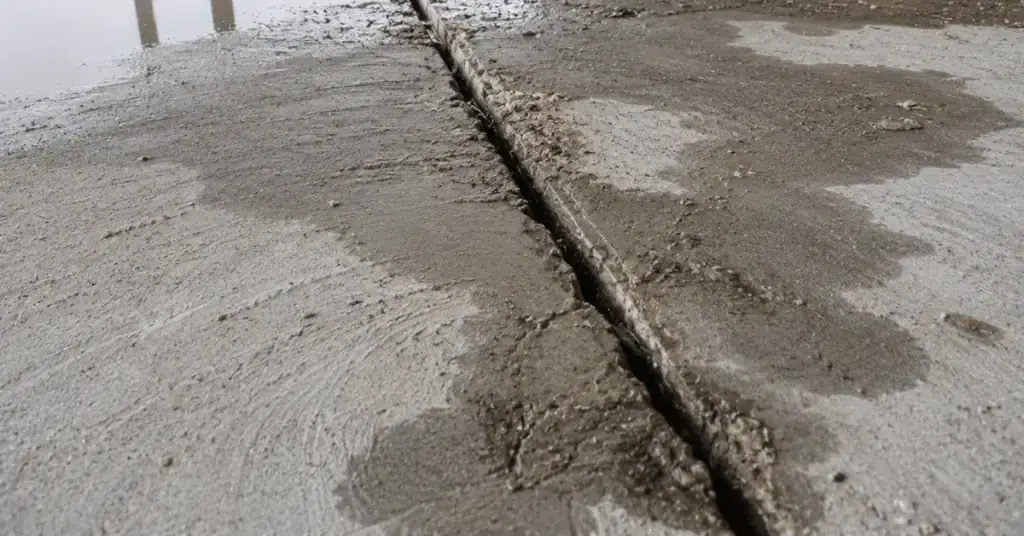
Monsoon construction that involves roof slabs or suspended slabs is especially vulnerable to joint-related failures. Construction joints, the points where one pour ends and the next begins, are often treated carelessly during the rains. When these joints are not properly prepared, cleaned, and keyed, they become weak planes where water infiltrates and structural continuity is broken.
Additionally, many projects skip or delay waterproofing treatments on slabs citing monsoon conditions as an obstacle. This is a mistake in the opposite direction, the monsoon is precisely when waterproofing layers matter most.
- What to do instead: Clean all construction joints thoroughly before resuming a pour. Use bonding agents or slurry coatings on old concrete surfaces before fresh concrete placement. Never delay slab waterproofing treatments; carry them out in weather windows between rains.
Mistake 7: Underestimating the Impact on Lightweight and Specialty Concrete Mixes
If your project involves lightweight concrete, glass fiber reinforced concrete, or stamped concrete, the stakes during the monsoon are even higher. These specialised mixes often have tighter tolerance windows for water content, finishing, and curing.
Lightweight concrete, for instance, has a porous microstructure by design. Excess moisture infiltration during placement or curing can amplify those pores in unintended ways, reducing load-bearing capacity. Stamped concrete patterns applied during rain exposure can lose surface definition and colour consistency.
- What to do instead: Specialised concrete applications should ideally be planned during weather breaks. Consult your RMC supplier for monsoon-specific mix adjustments when using non-standard concrete types.
Mistake 8: Neglecting Formwork Safety During Monsoon
Heavy rainfall can significantly impact the stability of formwork and shuttering systems. Wet soil can soften around supports, strong winds can loosen temporary structures, and excess moisture can weaken improperly secured formwork.
If formwork shifts, bends, or collapses during a pour, it can lead to dimensional inaccuracies, surface defects, structural weaknesses, and serious safety hazards on site.
- What to do instead: Inspect all formwork, props, supports, and scaffolding before every pour, especially after heavy rain. Ensure supports are resting on firm ground and that all connections are secure. Remove accumulated water from formwork and verify alignment before placing concrete. Regular inspections throughout the monsoon can prevent costly failures and delays.
Mistake 9: Skipping or Rushing the Curing Process
Many construction teams assume that because it is raining, concrete is receiving enough moisture for proper curing. In reality, rainfall is not a substitute for controlled curing.
Concrete gains strength through hydration—a process that requires consistent moisture over a specified period. Irregular wetting from rain followed by drying can lead to surface cracking, reduced strength development, poor durability, and increased permeability.
This mistake is particularly common during monsoon when project schedules are delayed and teams try to accelerate work once the weather clears.
- What to do instead: Follow the recommended curing period for the concrete grade being used, regardless of weather conditions. Use ponding, wet coverings, curing compounds, or other approved curing methods to maintain consistent moisture. Ensure curing continues uninterrupted, even if rainfall occurs intermittently. Proper curing is essential for achieving the strength and durability the concrete was designed to deliver.
How Ready Mix Concrete Reduces Monsoon Risk
One of the most practical decisions a builder can make during the rainy season is switching to or continuing with ready mix concrete from a certified batching plant. Here’s why it makes a difference:
The concrete mix design is prepared under laboratory conditions, ensuring the correct mix proportion of concrete every time. Aggregate moisture is measured and compensated for in the batch. Delivery is time-scheduled, reducing the window during which concrete is exposed to weather. Grades from M10 concrete ratio to M25 concrete mix ratio to M30 ready mix concrete are all produced with consistent, tested quality.
Aparna RMC operates 36 plants across five Indian states and has built a 19-year legacy of supplying ready mix concrete in Hyderabad and other cities. With an ISO-certified process and in-house quality controls, every batch that leaves an Aparna RMC plant meets a strict strength and durability benchmark, monsoon season included.
Final Thoughts
Monsoon concreting isn’t about avoiding the rain, it’s about outsmarting it. The mistakes covered in this blog are not exotic or unusual; they happen on real construction sites every rainy season. The good news is that each one of them is preventable with awareness, planning, and the right concrete partner.
Whether you’re building a home in Hyderabad or managing a large commercial project, the decisions made during the pour stage define the structural strength of what stands for decades. Choose your materials carefully, follow best practices rigorously, and when in doubt, call your RMC supplier before you pour, not after.
FAQ: Monsoon Concreting, Your Questions Answered
Q1. Can concreting work be done during the monsoon season?
Yes, concreting can continue during the monsoon with proper precautions, covering fresh pours, protecting formwork from waterlogging, and monitoring mix consistency. The key is not to allow uncontrolled rainwater to enter the mix.
Q2. How does rainwater affect the concrete mix ratio?
Rainwater dilutes the mix by adding uncontrolled water, which increases the water-cement ratio beyond design limits. This directly reduces compressive strength, increases porosity, and can lead to long-term structural deterioration.
Q3. Is ready mix concrete better suited for monsoon construction than site-mixed concrete?
Yes. Ready mix concrete is batched under controlled factory conditions where aggregate moisture is compensated for, and the mix proportion of concrete is accurately maintained. This removes the biggest source of monsoon variability from the equation.
Q4. What concrete grade is recommended for structural work during the monsoon?
For most structural elements, M20 grade concrete is the minimum. For columns, beams, and slabs in multi-storey construction, M25 or M30 ready mix concrete is recommended. Your structural engineer or RMC supplier can advise on the right grade based on your design requirements.
Q5. How long should concrete be cured during the monsoon?
A minimum of 7 days for OPC-based mixes and 14 days for blended cements. Ambient humidity during the monsoon can help, but it should not replace a structured, monitored curing process.
Q6. How do I find a reliable ready mix concrete supplier near me during the monsoon?
Look for an ISO-certified RMC plant with a proven track record, on-time delivery systems, and the ability to customize mix designs. You can use Aparna RMC’s RMC calculator to estimate requirements and contact their nearest plant for a monsoon-ready supply.