
Why Concrete Consistency Matters More Than Concrete Strength

April 14, 2026
1. Introduction
When discussing construction materials, strength is often the first property people think about. While compressive strength is important, it is not the only factor that determines the performance of a structure. In reality, concrete consistency plays an equally critical role in ensuring long-term structural reliability. Even high-strength concrete can lead to structural issues if its properties vary from one batch to another.
Consistency ensures that concrete behaves uniformly throughout the structure, allowing loads to be distributed evenly across foundations, beams, slabs, and columns. Without this uniformity, weak zones may develop, compromising durability and safety.
In this blog, we explore why consistent Ready Mix Concrete is essential for modern construction and how Aparna RMC maintains concrete batch uniformity to deliver dependable structural concrete reliability for every project.
2. Understanding Concrete Consistency
Concrete consistency refers to the ability to produce concrete batches with uniform properties such as strength, workability, and durability.
Consistency ensures that each batch of concrete behaves similarly during:
- Placement and compaction
Concrete is poured into formwork and compacted using vibrators to remove air gaps. This ensures a dense, uniform structure with better strength and no voids.
- Setting and curing
Concrete starts hardening after placement. Proper curing (keeping it moist) is essential to prevent cracks and help it gain full strength and durability.
- Load-bearing over time
As concrete cures, it gradually gains strength—reaching most of its capacity in 28 days—allowing it to safely support structural loads over time.
Maintaining this uniformity is critical for achieving reliable structural performance.
3. Why Strength Alone Is Not Enough
A structure may require a certain strength grade, but strength alone does not guarantee performance. If batches vary in composition, even high-grade concrete may create weak areas.
Lack of concrete batch uniformity can cause:
- Uneven load distribution
- Cracking in structural elements
- Reduced bonding with reinforcement
- Long-term durability issues
Consistency ensures the structure acts as a unified system rather than separate segments.
4. How Inconsistent Concrete Affects Structures
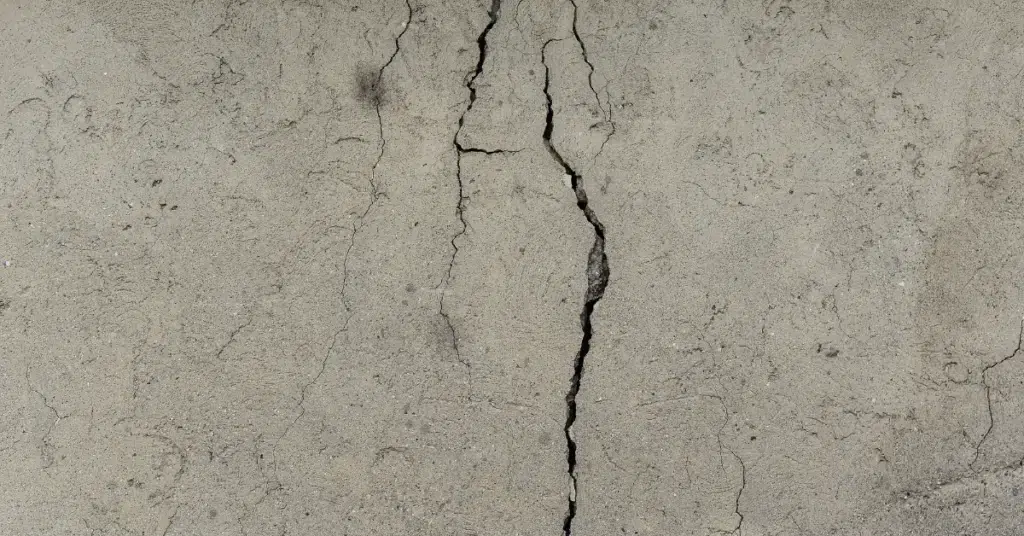
a. Weak Zones in Structural Elements
Variations in mix proportions (cement, water, aggregates) can create non-uniform concrete, where some sections are stronger and others weaker. These weak zones become vulnerable points in beams, slabs, and columns.
Durability & Long-term Effects:
Weak areas are more prone to moisture penetration, corrosion of reinforcement, and faster deterioration over time.
Maintenance:
Requires frequent inspections, patch repairs, or strengthening treatments, increasing maintenance effort and cost.
b. Increased Cracking
Differences in mix quality can lead to uneven shrinkage and strength gain, causing internal stress within the structure. This results in visible cracks on surfaces and within elements.
Durability & Long-term Effects:
Cracks can lead to steel reinforcement corrosion, leakage issues, and progressive weakening of the structure.
Maintenance:
Needs crack filling, sealing, or waterproofing treatments, and if ignored, may require major structural repairs later.
c. Reduced Structural Reliability
When concrete properties are inconsistent, structural elements may not behave as expected under load, leading to unpredictable performance.
Durability & Long-term Effects:
Over time, inconsistent concrete can cause fatigue, reduced lifespan, and higher vulnerability to environmental stresses like temperature changes and weathering.
Maintenance:
Requires continuous monitoring, structural audits, and sometimes reinforcement or retrofitting to ensure safety.
This directly impacts structural concrete reliability.
5. Importance of Consistent Ready Mix Concrete in Large Projects
Large construction projects require thousands of cubic meters of concrete. Maintaining consistent Ready Mix Concrete across all pours ensures that every structural element performs as expected.
Consistency helps achieve:
- Uniform strength throughout the structure
- Reduced construction defects
- Better durability over time
- Efficiency & Faster Timelines
- Optimal Workability
- Cost Savings
- Project Management & Safety
6. Factors That Influence Concrete Consistency
Several elements determine whether concrete remains consistent across batches.
a. Accurate Material Proportioning
Precise measurement of cement, aggregates, water, and admixtures is essential. Maintaining the correct water–cement ratio is especially critical, as it directly affects strength, workability, and durability.
b. Quality of Raw Materials
Uniform quality of cement, aggregates, and water ensures stable concrete properties. Variations in material quality can lead to inconsistent performance and strength differences.
c. Controlled Mixing Process
Automation and computerized batching help maintain uniformity by reducing manual errors. A consistent mixing process ensures every batch has the same composition and performance.
d. Temperature & Weather Conditions
External factors like temperature, humidity, and weather significantly influence concrete behavior. High temperatures can cause faster setting and reduced workability, while cold or humid conditions can slow down the process and affect strength development.
These factors together ensure that concrete remains uniform, reliable, and suitable for high-quality construction.
7. How Aparna RMC Maintains Concrete Consistency
a. Automated Batching Systems
Aparna RMC uses advanced automated systems to ensure precise material measurement and mixing.
b. Standardised Mix Designs
Each mix is designed to maintain concrete consistency across multiple batches and projects.
c. Continuous Quality Monitoring
Regular testing, supported by IoT-enabled systems, monitors parameters like temperature and mix consistency in real time, ensuring accurate, consistent, and high-quality concrete.
d. Skilled Technical Teams
Experienced engineers monitor production processes to maintain structural concrete reliability.
e. GPS enabled Delivery
Real-time tracking ensures timely delivery, better coordination, and maintained concrete quality.
8. Benefits of Consistent Ready Mix Concrete
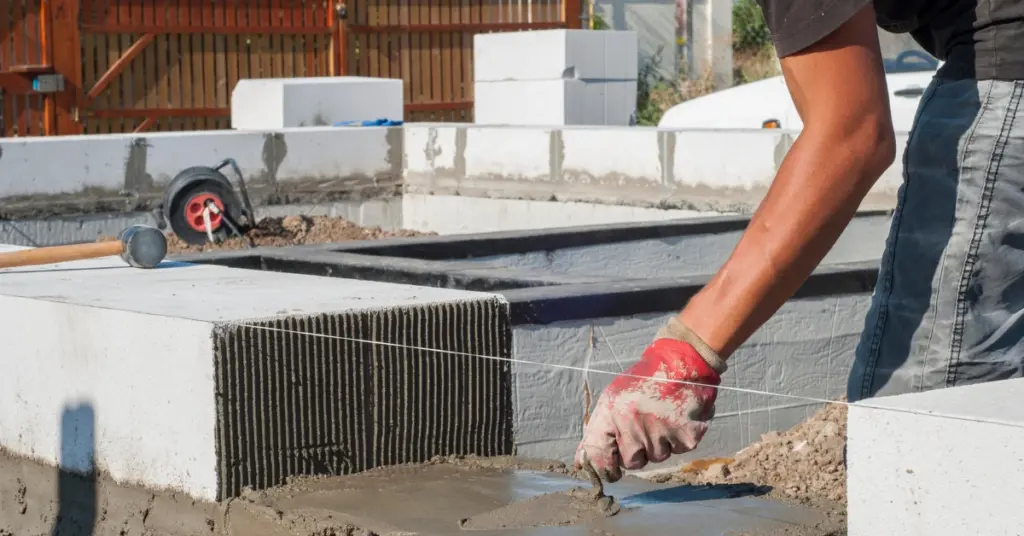
Using consistent Ready Mix Concrete offers several advantages:
- Improved structural strength
- Better crack resistance
- Enhanced durability
- Reduced maintenance costs
- Reliable construction outcomes
These benefits help builders achieve safer and longer-lasting structures.
9. Checklist: Ensuring Concrete Consistency
Before selecting a concrete supplier, ensure:
🔲 Proven concrete consistency across batches
🔲 Automated batching systems
🔲 Standardised mix designs
🔲 Continuous quality testing
🔲 Experience delivering consistent Ready Mix Concrete
Aparna RMC meets all these requirements.
10. Conclusion
While strength is an essential property of concrete, concrete consistency is equally important for ensuring structural performance and long-term durability. Without uniformity across batches, even high-strength concrete may create weak zones that compromise the structure. By delivering consistent Ready Mix Concrete with precise batching and strict quality control, Aparna RMC ensures reliable concrete batch uniformity and dependable structural concrete reliability for every project.
For builders and developers who prioritise quality and long-term performance, consistency in concrete supply is a key factor in successful construction.
Choose Aparna RMC for consistent concrete solutions that strengthen every structure.
11. FAQs
Q1: What is concrete consistency?
It refers to producing concrete batches with uniform properties such as strength and workability.
Q2: Why is consistency important in Ready Mix Concrete?
Consistency ensures uniform strength and performance across all batches, preventing defects like cracks and weak zones. It also improves durability, reduces maintenance, and ensures safe, long-lasting structures.
Q3: How does Aparna RMC maintain concrete batch uniformity?
Through automated batching, standardised mix designs, and continuous quality testing, supported by GPS-enabled delivery and IoT-enabled quality control for real-time monitoring and consistent performance.