The Hidden Role of Concrete in Reducing Building Maintenance Costs
February 23, 2026
1. Introduction
When construction budgets are planned, most of the focus is placed on initial material and execution costs. However, the true cost of a building is determined over its entire lifespan, not just at the time of construction. Frequent repairs, structural cracks, seepage, corrosion, and premature deterioration can significantly increase long-term maintenance expenses.
One of the most overlooked factors influencing maintenance costs is concrete quality. Poorly designed or inconsistent concrete may meet short-term requirements but often leads to recurring repairs and reduced durability. This is why modern construction relies on engineered Ready-Mix Concrete (RMC) to ensure predictable performance and long-term value.
In this blog, we explore how concrete quality directly impacts maintenance costs and how Aparna RMC helps builders reduce long-term expenses through durable, high-performance concrete solutions.
2. Why Maintenance Costs Escalate in Buildings
Maintenance issues usually begin small and grow over time. Common causes include:
- Cracks in slabs, beams, and columns
- Water seepage through concrete
- Corrosion of steel reinforcement
- Surface deterioration
- Repeated patch repairs
These issues often originate from poor concrete quality, incorrect mix proportions, or inconsistent execution during construction.
3. How Concrete Quality Influences Maintenance Requirements
Concrete acts as the first line of defence against environmental exposure, load stress, and time.
High-quality concrete offers:
- Dense internal structure
- Low permeability
- Strong bonding with reinforcement
- Uniform load distribution
Low-quality concrete, on the other hand, allows moisture ingress, accelerates corrosion, and weakens structural elements — leading to frequent repairs.
4. Common Concrete-Related Issues That Increase Maintenance Costs
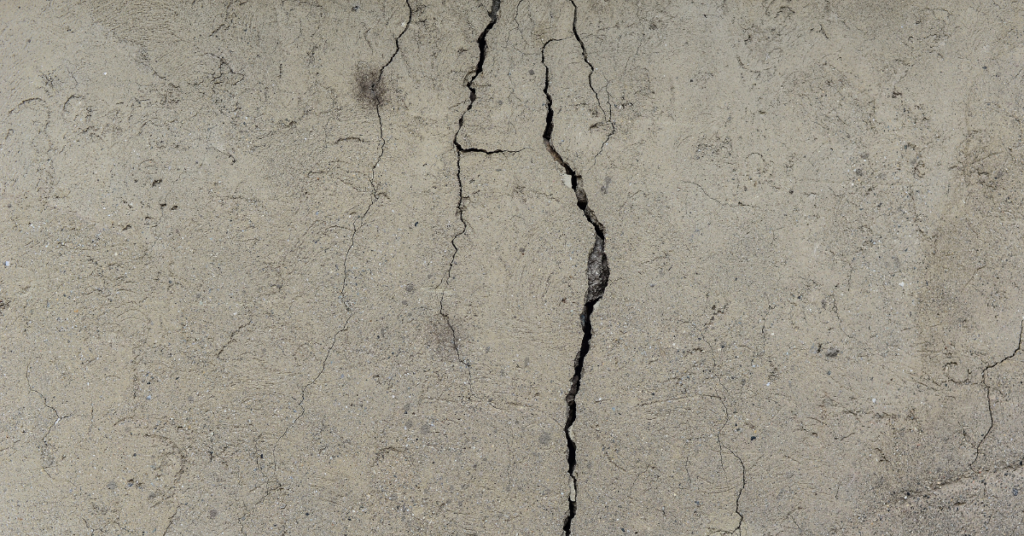
a. Cracking Due to Shrinkage and Inconsistency
Inconsistent water–cement ratios and improper curing lead to cracks.
Impact:
- Water ingress
- Aesthetic damage
- Repeated crack-filling repairs
b. Seepage and Moisture Penetration
Porous concrete allows water to pass through.
Impact:
- Dampness
- Mold growth
- Damage to finishes and interiors
c. Corrosion of Reinforcement Steel
Moisture and chemicals reach steel through permeable concrete.
Impact:
- Expansion and cracking
- Structural weakening
- Expensive rehabilitation work
d. Surface Wear and Deterioration
Low-strength concrete deteriorates faster under traffic and load.
Impact:
- Frequent resurfacing
- Reduced service life
5. How Ready-Mix Concrete Helps Reduce Maintenance Costs
Ready-Mix Concrete is engineered to minimise variability and improve durability.
Key advantages include:
- Accurate mix proportions
- Controlled water–cement ratio
- Uniform strength across pours
- Better compaction and finish
- Reduced permeability
These factors directly reduce long-term maintenance requirements.
6. How Aparna RMC Designs Concrete for Long-Term Durability
a. Optimised Mix Designs
Aparna RMC designs concrete mixes based on:
- Structural requirements
- Environmental exposure
- Load conditions
- Desired durability
This ensures concrete performs reliably over decades.
b. Use of Supplementary Materials
Aparna integrates materials that:
- Reduce permeability
- Improve durability
- Enhance long-term strength
This results in concrete that resists water ingress and chemical attack.
c. SCADA-Controlled Batching
Automation ensures:
- Precise material proportioning
- Consistent quality across batches
- Elimination of manual errors
Consistency plays a key role in reducing future defects.
d. Rigorous Quality Testing
Aparna conducts:
- Slump tests
- Strength testing
- Durability checks (where required)
This verifies that concrete meets performance expectations before reaching the site.
7. Role of Concrete in Reducing Lifecycle Costs
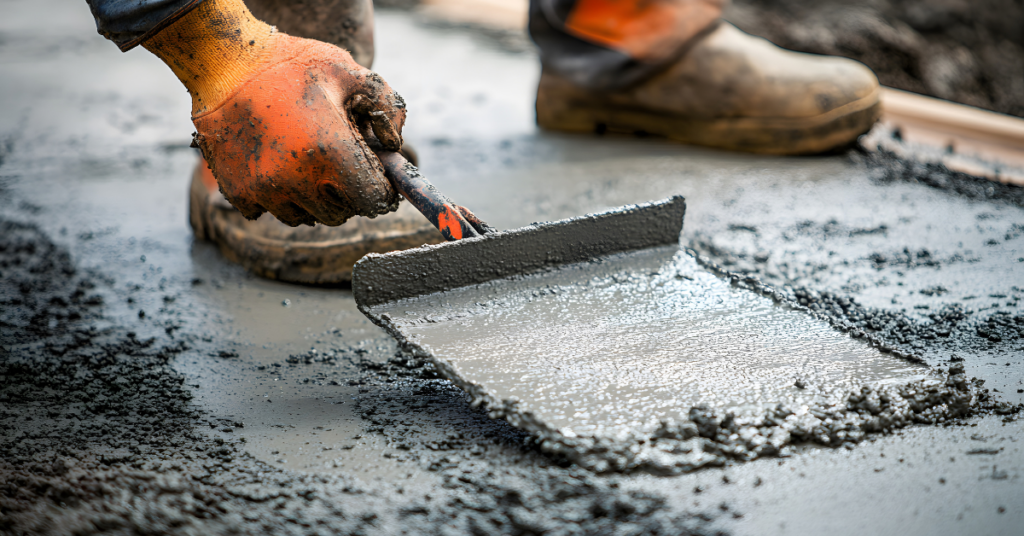
While high-quality concrete may appear marginally higher in initial cost, it significantly reduces:
- Repair frequency
- Structural rehabilitation
- Waterproofing failures
- Long-term maintenance budgets
Over a building’s lifespan, durable concrete results in substantial cost savings.
8. Benefits for Builders and Property Owners
Using high-quality RMC from Aparna delivers:
- Fewer structural complaints
- Reduced post-handover repairs
- Longer service life
- Lower ownership costs
- Higher property value
- Improved client satisfaction
These benefits strengthen both project economics and brand reputation.
9. Checklist: Choosing Concrete That Minimises Maintenance
Before selecting an RMC supplier, ensure:
- Low-permeability concrete options
- Automated batching systems
- Consistent quality across pours
- Proven durability performance
- Technical support for mix selection
- Experience across diverse project types
Aparna RMC meets all these criteria.
10. Conclusion
Building maintenance costs are often determined long before occupants move in — during the concrete selection stage. Poor-quality concrete leads to cracks, seepage, corrosion, and recurring repairs that increase long-term expenses. By delivering engineered Ready-Mix Concrete with consistent quality, low permeability, and high durability, Aparna RMC helps builders significantly reduce maintenance costs over a structure’s lifespan.
For projects that aim to deliver long-term value and reliability, choosing the right concrete partner is essential.
Choose Aparna RMC for concrete solutions that protect your investment long after construction is complete.
11. FAQs
Q1: Does better concrete really reduce maintenance costs?
Yes. Durable, low-permeability concrete minimises cracking, seepage, and corrosion.
Q2: Is high-quality RMC more expensive?
While initial costs may be slightly higher, long-term maintenance savings are substantial.
Q3: Can Aparna RMC customise concrete for durability needs?
Yes. Mix designs are tailored based on project exposure and performance requirements.